Bed bugs in Singapore are no longer a rare horror story. We get calls about them every month – usually from someone who has tried every supermarket spray, hasn't slept properly in two weeks, and is wondering whether a deep clean will fix it.
The honest answer depends on what stage you're at. This guide walks through how to identify the problem, why heat works when chemicals often don't, and where professional hot water extraction fits – sometimes as a complete fix, sometimes as the second half of a treatment that starts with pest control.
How to identify bed bugs vs dust mites
This is the first decision, and most people get it wrong. The two are completely different problems with completely different fixes:
| Sign | Bed bugs | Dust mites |
|---|---|---|
| Visible? | Yes – 4 to 7mm, flat oval, reddish-brown. Bigger after a meal. | No – microscopic. You'll never see one. |
| Bite pattern | Linear or clustered welts ("breakfast, lunch, dinner") on exposed skin. | No bites – the reaction is allergic, not from contact. |
| Evidence on the mattress | Black faecal dots along seams, tiny blood smears on sheets, shed exoskeletons. | None visible. Symptoms only – sneezing, congestion, itchy eyes. |
| Typical fix | Pest control (chemical or heat) + hot water extraction of the mattress. | Regular hot water extraction every 3 to 6 months. See our dust mites pillar guide. |
If you've checked the seams, piping, and the underside of the mattress label and seen nothing – no live bugs, no black dots, no shed skins – you almost certainly have a dust mite problem, not bed bugs. The treatment is much simpler.
Why Singapore bed bug infestations are increasing
Three drivers, all post-pandemic:
- Travel. Bed bugs travel home in luggage and laptop bags. Singapore's recovery in inbound and outbound travel since 2023 has tracked closely with the call volumes pest controllers report.
- Secondhand furniture. Carousell mattresses, gifted sofas and hand-me-down headboards are the single most common vector we see. Eggs survive months without a host.
- Apartment density. In HDB and condo blocks, bed bugs can move between units through wall cavities and shared partition walls. One neighbour's problem becomes everyone's.
Why heat – not spray – is the reliable kill
Bed bugs have developed resistance to many over-the-counter insecticides, including the pyrethroids in most supermarket sprays. Heat doesn't have that problem. The thermal death point is well-established:
- 45°C for 90 minutes – kills adults but not always eggs.
- 50°C for 60 minutes – kills adults and most eggs.
- 60°C for 30 minutes – complete kill, all life stages including eggs. This is the threshold professional treatment aims for.
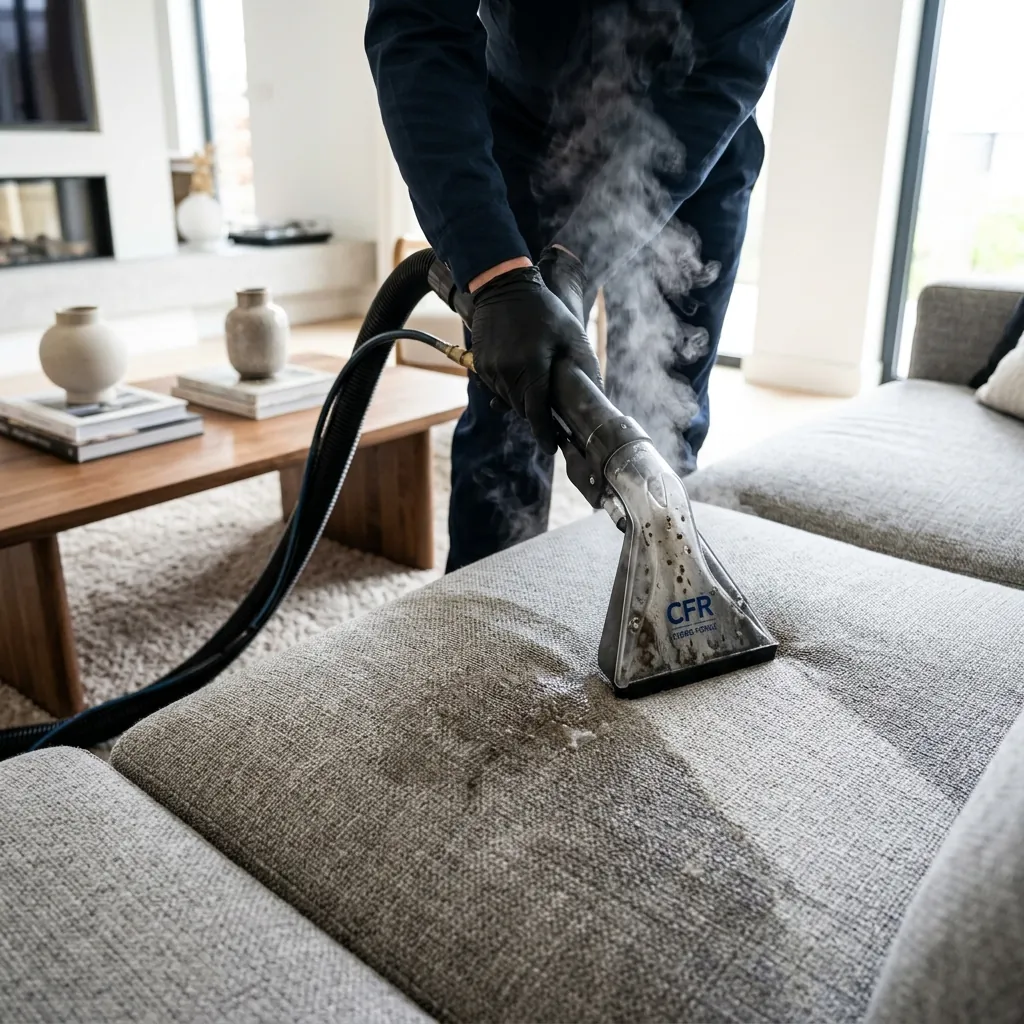
Our hot water extraction injects water at around 70°C directly into the mattress fabric under pressure, then vacuums it back out within seconds. The fabric and the top few millimetres of foam comfortably pass 60°C – which is why this method is so effective on the mattress itself.
Heat only kills what it touches. Bed bugs in the bed frame, behind the headboard, inside the box spring, or in nearby skirting boards survive. If they're established beyond the mattress, extraction alone will give you a few clean nights – then they come back.
Hot water extraction: when it works alone, when it's an adjunct
The treatment plan depends on the severity:
Light infestation (mattress only, caught early). A few bugs, faecal dots confined to the mattress seams, no signs in the frame or surrounding area. Hot water extraction with a 60°C+ pass, plus enzymatic pre-treatment to break down the faecal protein, can be a complete fix. Wash all bedding above 60°C and replace immediately.
Established infestation (frame, headboard, room). Visible bugs in multiple locations, faecal trails on the wall behind the bed, family members getting bitten in different rooms. You need a licensed pest controller first – they'll do whole-room heat treatment or a multi-pass chemical protocol that reaches harbourage points we can't. Extraction comes after, to finish the mattress and remove the dead bugs, eggs and faecal residue so you can sleep on it again.
If you message us and describe an established infestation, we'll tell you to call pest control first. Booking extraction on a heavily infested mattress is a waste of your money – we'd be charging you to clean something that will be re-infested within a week.
Prevention after treatment
Whichever route you take, prevention is the same:
- Mattress encasement. A zippered, bed-bug-proof encasement on the mattress and box spring traps any survivors. Leave on for a minimum of 12 months – longer than a bed bug can live without feeding.
- Vigilance for 60 days. Inspect seams weekly. Bed bug populations rebuild slowly; if you see anything at week six, treat immediately.
- Inspect secondhand items before they enter the home. Hard rule, no exceptions.
- Luggage protocol after travel. Unpack in the bathroom, run all clothes through a hot wash (60°C+), and store the suitcase away from the bedroom.